


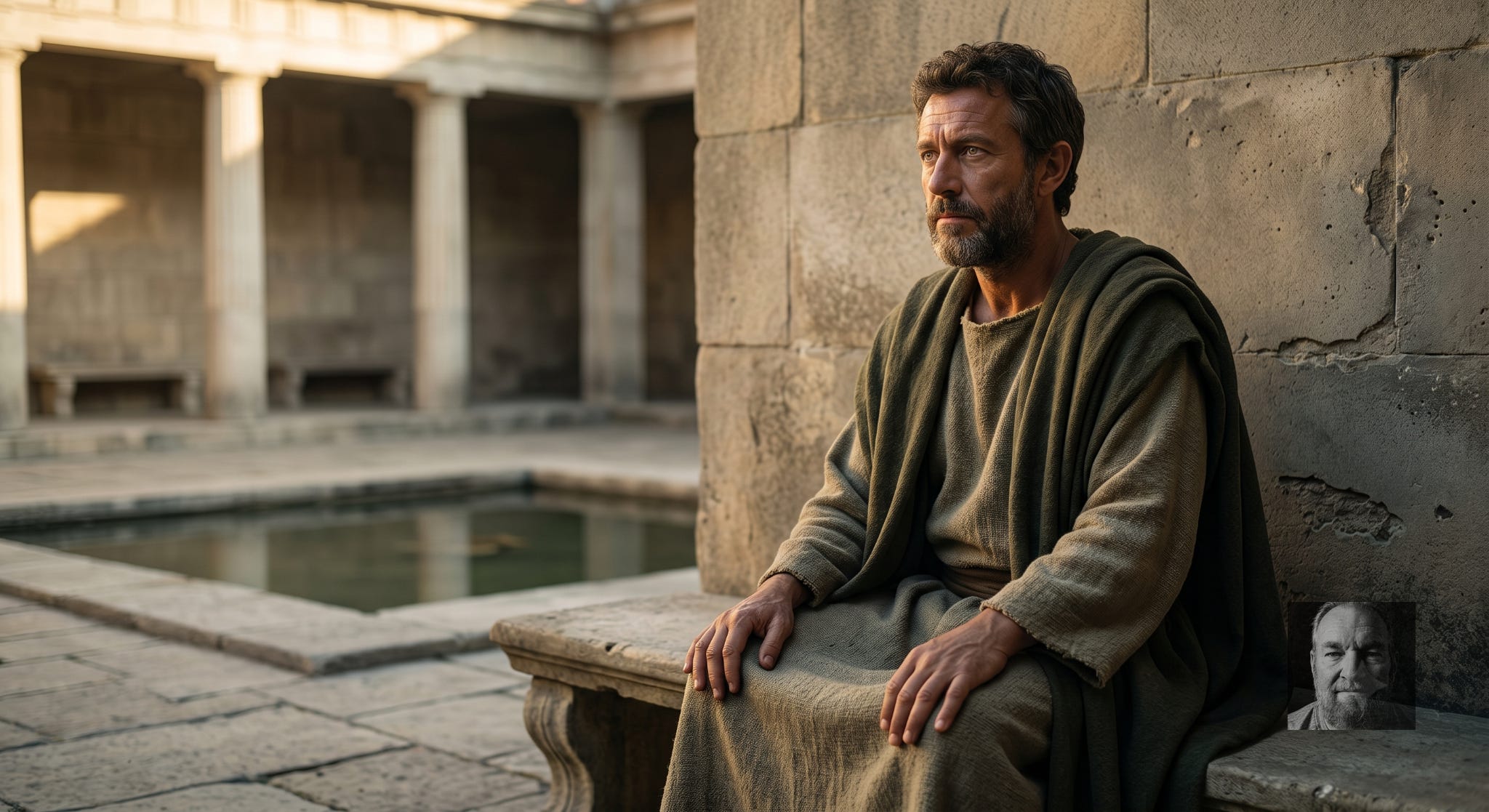
I. Introduction: The Optimization Treadmill
Modern success is almost exclusively measured by visible, trackable outputs. We are conditioned to define our worth by the revenue we generate, the biometric sleep scores we optimize, and the digital followers we accumulate. The self-improvement industry thrives on this paradigm, offering endless tools to measure every facet of our existence, turning the pursuit of well-being into a series of data points to be scrutinized. This quantification of the soul reduces complex human experiences to mere percentages and performance markers, creating a culture where we are only as valuable as our latest metric.
However, chasing external metrics creates a game with no finish line, trapped on an optimization treadmill that values quantity over quality. The constant need for measurable optimization leads directly to perpetual dissatisfaction and burnout rather than genuine fulfillment. When growth is only validated by an upward-trending graph, we lose sight of the deeper, qualitative aspects of human flourishing. This “more is better” dogma permeates our professional and personal lives, depleting our mental and emotional resources. The core truth that modern wellness culture ignores is this: true victory is invisible. It is found in the deliberate cultivation of character, not the frantic accumulation of external markers, requiring a fundamental shift in how we perceive progress from what we can acquire to the kind of person we are becoming.
II. The Stoic Redefinition of Achievement
To step off the optimization treadmill, we must fundamentally shift our ultimate goal from what we can acquire to the kind of person we are becoming. The Stoics understood that external validation is fleeting and largely outside of our control; thus, true achievement requires re-centering our personal growth around the four cardinal virtues: wisdom, courage, justice, and temperance. These virtues serve as the only reliable foundation for a meaningful life, offering stability regardless of external circumstances. By focusing on these internal qualities, we move away from the modern obsession with visible, trackable outputs and toward a qualitative model of human flourishing that prioritizes character over data.
This redefinition hinges on a rigorous Control Audit, a process of actively applying the dichotomy of control to our ambitions to examine our desires with total clarity. We must practice letting go of the desperate need to force external outcomes, recognizing that such metrics often lead to perpetual dissatisfaction and burnout. Instead, we must focus our energy entirely on our effort, our intention, and our response to the world. When we measure success by our own integrity and the steadfastness of our character rather than our outward accolades, we reclaim our autonomy. This internal shift allows us to cultivate ataraxia, an unshakeable peace found in daily integrity rather than grand milestones. This peace is maintained through the invisible triumphs of character, such as choosing patience over anger or restraint over indulgence.
III. The Silent Victory in Practice
Putting this philosophy into practice begins with defining the concept of “enough.” We must recognize the crucial difference between healthy ambition and the toxic, modern desire for endless, unchecked expansion. This involves a conscious rejection of the “more is better” dogma that permeates our professional and personal lives. It is a deliberate choice to step out of the metric-driven arena and say that our current state, coupled with our daily pursuit of virtue, is sufficient. By establishing these internal boundaries, we protect our mental and emotional resources from being depleted by the pursuit of infinite growth. This practice of “enough” serves as a vital safeguard against the burnout inherent in modern wellness culture, where success is often reduced to mere data points and performance markers.
From this foundation, we cultivate ataraxia. This unshakeable peace is not found in the completion of grand projects or reaching a specific milestone; those are external events subject to change and decay. Rather, it is found in the steadfastness and reliability of your own character as you navigate daily challenges. It is the internal equilibrium that remains undisturbed even when external circumstances are chaotic. The most profound personal victories are inherently uncelebrated because they occur within the privacy of the mind. Choosing patience over a flash of anger, exercising restraint over indulgence, or offering grace when faced with frustration—these moments are completely invisible to the outside world, yet they are the true markers of a life well-lived. These silent triumphs build a resilient spirit that does not rely on an audience for validation. Genuine mastery is thus a continuous, quiet internal practice, often supported by habits like journaling to clarify the mind and provide room for private reflection.
IV. Conclusion: The Final Illusion
TThe ultimate illusion of self-improvement is the persistent belief that it is a final destination to be reached or an elevated status to be achieved. It is not a mountain to conquer so we can plant a flag for the world to see, but rather a continuous, quiet internal practice. This journey relies on the compounding power of daily habits, such as journaling, which serves to clarify the mind and provide necessary room for private reflection. True self-mastery is never arrived at via a single epiphany; it is acquired little by little through these repetitive, often invisible actions.
For readers of The Silent Wisdom, this marks the end of the wellness trap and the beginning of genuine mastery. True wisdom does not need to announce itself; it does not require a dashboard, a tracker, or an audience to be valid. It is silent, steady, and entirely within your control. This internal shift involves adopting specialized Stoic tools, such as premeditatio malorum, to anticipate potential disruptions and manage expectations. By preparing the mind for obstacles, one becomes fitted for both defeat and victory with equal composure.
Furthermore, by meditating on mortality through exercises like memento mori, we create a profound sense of priority and urgency. This practice encourages us to treat our time as a finite gift rather than wasting it on the trivial or the performative. Ultimately, victory is not found in external accolades but in the reliability of one’s own character. It manifests in invisible moments of patience and restraint that build a resilient spirit, ensuring that the most significant triumphs are those that happen within the privacy of the soul.